
As we look at the amateur radio landscape in 2026, the numbers tell an interesting story. Licensing is actually on the rise, driven by an interest in emergency preparedness and the accessibility of digital modes. However, there is a quiet crisis developing in the background: an “Elmer” Shortage.
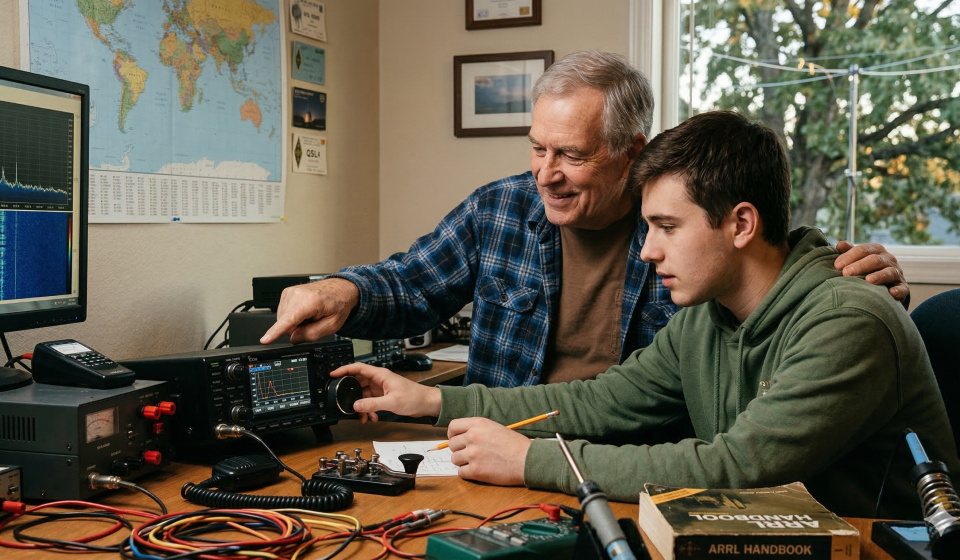
In ham radio parlance, an “Elmer” is a mentor—someone who provides the personal guidance, technical wisdom, and encouragement that a textbook simply cannot offer. While it has never been easier to pass the exam, it has rarely been more difficult for a newcomer to navigate the transition from “licensed” to “on the air.”
The “Paper License” Trap
In recent years, the surge of “Technician-in-a-weekend” courses has produced thousands of new hams. But statistics suggest that nearly half of these new licensees never make their first contact. Without an Elmer to explain the nuances of local repeater etiquette, show them how to solder a PL-259 connector, or help them string a wire dipole in a tree, many of these new operators become frustrated and let their licenses lapse.
We aren’t just losing people; we are losing the tribal knowledge of the hobby—the hard-won lessons about propagation, circuit design, and troubleshooting that aren’t always found in the latest software manual.
Why Mentoring Benefits the Mentor
Mentoring isn’t just a one-way street of “giving back.” In fact, being an Elmer is one of the best ways to sharpen your own skills:
- Consolidating Knowledge: Nothing reveals the gaps in your own understanding like trying to explain a concept to someone else.
- Fresh Perspectives: New hams often bring questions about integrating modern tech (like Meshtastic, IoT, or SDRs) that can breathe new life into an experienced operator’s station.
- Community Vitality: Every time you help a new operator get active, you are ensuring that there is someone on the other end of the radio for your next CQ.
How to Be a “2026 Elmer”
You don’t need to be an electrical engineer to be an Elmer. You just need to be one step ahead of the person you are helping.
- Be Proactive on the Repeaters: If you hear a hesitant, new-sounding callsign, don’t just ignore it because they aren’t “ragchewing” at 20 WPM. Key up, welcome them, and offer a signal report.
- Invite Them Over: Most new hams have never seen a “real” HF station in person. Seeing your grounding system or your antenna tuner in action is worth a thousand YouTube videos.
- The “Check-Up” Call: If you know someone who just got licensed, check in on them a month later. Ask them, “Have you made a contact yet? What’s holding you back?”
The Legacy of the Hobby
Amateur radio is one of the few remaining “hands-on” technical hobbies that relies on an oral tradition of mentorship. We are the stewards of a century of radio history.
This year, don’t just focus on your own logbook or your next gear upgrade. Make it your goal to find one “Newbie” and help them turn their paper license into a functioning station. The future of the airwaves depends on it.