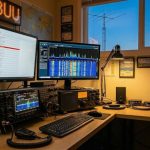

As we move through 2026, the hobby has never been more digitized. With FT8 dominating the bands and logs uploading to the cloud in milliseconds, some hams wonder if the traditional paper QSL card is a relic of a bygone era—the “rotary phone” of amateur radio.
However, if you check your mailbox (the physical one!) after a major contest or a DXpedition, you’ll find that the paper card isn’t just surviving; it has evolved into a high-status “vintage” collectible.
The Digital Efficiency: LoTW and eQSL
For the modern “award hunter,” digital is the only way to fly. Systems like Logbook of the World (LoTW) and eQSL have become the standard for a reason:
- Speed: Instant confirmation. No waiting months for the “Buro.”
- Cost: Aside from a small fee for award applications, digital QSLing is essentially free.
- Security: Digital signatures ensure that the contact is valid for prestigious awards like DXCC or WAS.
In 2026, it is considered basic etiquette to upload your logs to LoTW. Even if you don’t collect awards, your contact might be the “last one needed” for someone else’s achievement.
The Paper Revival: Why We Still Print
If digital is so efficient, why are QSL printers still busy? Because a physical card represents a personal connection that a database entry cannot match.
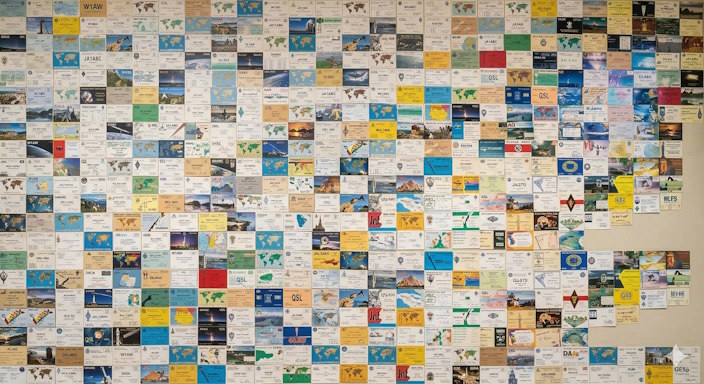
- The Tangible Trophy: There is a unique satisfaction in holding a card from a remote island or a rare maritime mobile station. You can’t frame an LoTW record on your shack wall.
- The Storytelling Medium: A paper card allows for photography, custom artwork, and handwritten notes. It tells the story of your station, your local geography, and your personality.
- Special Events: For 100th-anniversary stations or “Lighthouse on the Air” events, a high-quality glossy card is the ultimate commemorative souvenir.
2026 QSL Etiquette: The New Rules
The “Golden Rule” has shifted. Here is the modern protocol for confirming contacts:
- Upload to LoTW/QRZ Regardless: This is now “Step Zero.” It’s the digital courtesy that keeps the hobby moving.
- “Buro” is for the Patient: Sending cards via the International QSL Bureau is still the most affordable way to exchange paper, but be warned: in 2026, the “Global Buro” backlog means a card sent today might not arrive until 2028.
- Direct for DX: If you truly want a paper card from a rare station, send yours Direct.
- The “Green Stamp”: Including 2 or 3 USD (depending on postal rates) is standard to cover return international airmail.
- The SAE: Always include a Self-Addressed Envelope. Don’t make the other ham do the paperwork!
- OQRS (Online QSL Request System): This is the modern hybrid. You pay a small fee via PayPal on a site like ClubLog, and the DX station mails you a physical card. It’s the efficiency of digital with the reward of paper.
[Table: Which QSL Method Should You Use?]
| Goal | Best Method | Cost | Speed |
| Awards (DXCC/WAS) | LoTW | $0 | Instant |
| Souvenirs/Wall Art | Direct Paper | $$$ | 2–4 Weeks |
| Casual Confirmation | eQSL / QRZ | $0 | Instant |
| Budget Paper Exchange | QSL Bureau | $ (Club Fees) | 1–3 Years |
The Verdict
Paper QSL cards aren’t dead; they’ve simply become the “vinyl records” of amateur radio. We don’t use them because we have to; we use them because we want to. A digital log confirms the data, but a paper card confirms the friendship.
Pro Tip: If you’re designing a card today, add a QR Code to the back. When scanned, it can link to your QRZ page, a video of your shack, or even a recording of the actual QSO!